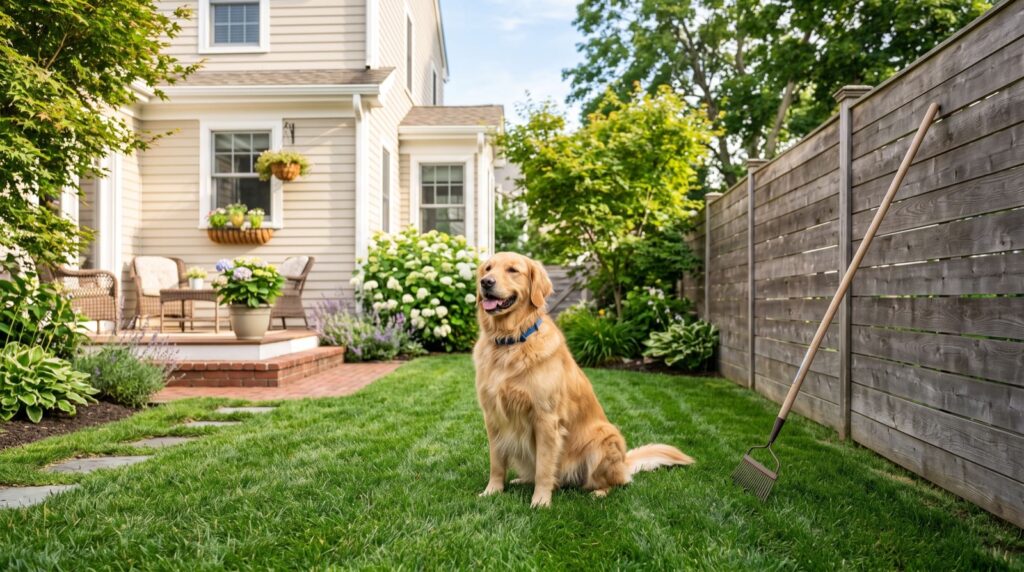
The environmental impact of dog waste is far bigger than most owners realize, and picking up after your pet is one of the simplest things you can do to protect local water. A single gram of dog feces holds millions of bacteria that wash straight into streams, so proper cleanup is real environmental action.
Across the United States, uncollected pet waste contributes measurably to water pollution and neighborhood contamination. This guide breaks down exactly why it matters and how a responsible cleanup routine keeps your community and its waterways healthy.
How Dog Waste Pollutes Local Water
When rain falls, it carries whatever sits on the ground into storm drains. Unlike household sewage, that runoff usually flows untreated directly into rivers, lakes, and bays.
Dog waste left on lawns and sidewalks becomes part of that toxic stream. It adds nitrogen and phosphorus that trigger algae blooms, plus pathogens that make water unsafe for swimming and wildlife.
The Numbers Behind the Problem
The scale is significant. The U.S. Environmental Protection Agency identifies pet waste as a contributor to nutrient pollution and lists bacteria from animal waste among the leading causes of impaired waterways nationwide. With tens of millions of dogs in US homes in 2026, the collective effect of skipped pickups is enormous.
- Nutrient overload fuels algae blooms that starve water of oxygen.
- Fecal bacteria close beaches and shellfish beds.
- Parasites survive in soil and reinfect pets and wildlife.
Why “It Is Natural” Is a Myth
Wild animal waste and dog waste are not the same. Dogs eat protein-rich diets that produce nutrient-dense feces, and their population density in neighborhoods far exceeds anything nature balances on its own.
Leaving waste to break down does not fertilize your lawn either. It actually burns grass and spreads disease, so the “natural” excuse simply does not hold up.
What About Flushing or Composting?
Some owners flush waste or compost it, but both require care. Never compost dog waste in a bin used for edible-plant fertilizer, since home composting rarely reaches temperatures high enough to kill pathogens. Bagging and trashing remains the safest everyday choice for most households.
Building an Eco-Friendly Cleanup Routine
Consistent cleanup is the highest-impact habit you can adopt. Pair it with sustainable supplies to shrink your footprint further.
- Scoop after every yard visit so waste never reaches storm runoff.
- Carry bags on every walk and use them without exception.
- Choose durable, tear-resistant bags so you use fewer of them.
- Dispose in the trash, not down storm drains or in yard-waste bins.
Choosing Tools That Reduce Waste
Cheap bags that rip force you to double-bag, doubling plastic use. Investing in strong liners like these Heavy duty trash bags means one bag does the job, reducing both mess and material. A reliable metal scooper also lasts years instead of ending up in a landfill like brittle plastic tools.
For owners who prefer help, a professional Pooper scooper company ensures waste is collected and disposed of correctly every single week, closing the gap that even well-meaning owners sometimes miss.
Cleanup Methods Compared
| Method | Environmental Safety | Convenience |
|---|---|---|
| Bag and trash | High, keeps waste out of water | Easy for daily use |
| Flushing (where allowed) | Good, treated at plant | Requires flushable bags |
| Home composting | Risky without high heat | Complex, not for gardens |
| Leaving it | Harmful, pollutes runoff | Never recommended |
Community Action Makes the Biggest Difference
Individual pickups add up, but neighborhood habits move the needle most. Encourage stations in local parks and support cleanup ordinances that keep shared spaces safe.
Choosing responsible partners matters too. Hiring quality service providers for regular yard maintenance keeps waste out of the watershed even during your busiest weeks.
How Waste Travels From Your Yard to the Ocean
Understanding the path waste takes makes the stakes clear. Most storm drains do not lead to treatment plants; they flow straight to the nearest creek, river, or bay.
Rain washes waste off lawns and sidewalks into gutters, then into those drains, then into open water untreated. What sits on your grass today can reach a shared waterway within a single storm.
The Chain of Pollution
Seeing each step underscores why cleanup matters. Here is the typical journey of neglected waste.
- Waste breaks down on the lawn and sidewalk over days or weeks.
- Rainfall carries bacteria and nutrients into street gutters.
- Gutters feed storm drains that bypass treatment entirely.
- Untreated runoff enters creeks, rivers, and coastal water.
Breaking that chain is as simple as scooping promptly. Every pickup you complete removes a source before rain can move it downstream.
Sustainable Choices Beyond Cleanup
Responsible ownership extends past picking up waste. A few added habits shrink your household’s overall environmental footprint even further.
Choose durable, long-lasting tools over disposable ones, and buy bags in bulk to cut packaging. Supporting local parks that provide waste stations also multiplies the impact of good habits across your whole community.
Greener Habits Worth Adopting
These practices layer onto consistent cleanup for a bigger positive effect.
- Invest in a reusable metal scooper that lasts for years.
- Never rinse waste into gutters or storm drains.
- Advocate for waste stations in local parks and trails.
- Educate fellow dog owners on why pickup protects water.
Small, steady choices compound. When responsible habits spread through a neighborhood, the collective benefit to local water is genuinely measurable.
Frequently Asked Questions
Is dog waste really bad for the environment?
Yes. It adds nutrients that trigger algae blooms and carries bacteria and parasites into untreated stormwater, which flows directly into rivers and lakes in most US communities.
Why can’t I just leave dog waste to decompose?
Dog feces do not fertilize lawns. They burn grass, spread disease, and release pathogens into runoff. Decomposition takes months and pollutes the whole time.
Are compostable bags better for the planet?
They can help, but only compost dog waste properly and never near edible gardens. For most owners, bagging in durable liners and trashing waste remains the safest, lowest-risk option.
How much difference does one owner make?
More than you think. With tens of millions of dogs nationwide, every skipped pickup compounds. Consistent cleanup by each owner keeps local water measurably cleaner.
Protect Your Water, One Scoop at a Time
The environmental impact of dog waste is preventable with a simple, consistent routine and durable supplies. Scoop after every visit, dispose responsibly, and support community cleanup efforts. Ready to protect your local waterways? Start today or partner with a trusted cleanup service to keep your yard and your watershed clean.