Climate-Controlled Storage in Saudi Heat: The 2026 Survival Guide for Your Goods
Climate-controlled storage is no longer a luxury in the Kingdom; it is a necessity. With summer temperatures across Riyadh, Jeddah, and Dammam regularly pushing past 45°C in 2026, ordinary storage simply cannot protect sensitive goods. Heat warps, melts, cracks, and spoils, quietly destroying value while you wait.
This guide explains how Saudi heat damages stored items, which products demand temperature control, and how to choose a facility that keeps your goods safe year-round. If you store food, electronics, cosmetics, or documents, this is essential reading.
How Saudi Heat Damages Unprotected Storage
Extreme heat is relentless. Inside an uninsulated unit, temperatures can climb even higher than outside, creating an oven effect that destroys delicate items within days. Humidity swings make matters worse, encouraging mold, corrosion, and warping.
Understanding the specific ways heat harms your goods helps you decide what needs protection.
- Electronics: Batteries degrade, screens fail, circuits corrode.
- Cosmetics and medicine: Active ingredients break down and become unsafe.
- Food: Spoilage accelerates dramatically without cold control.
- Documents and photos: Paper yellows, ink fades, images stick together.
- Furniture: Wood cracks and glue joints loosen.
Which Temperature Category Does Your Product Need?
Climate control is not one setting. Different goods need different environments, from deep freeze to gently cooled ambient air. Choosing correctly protects your investment and avoids overspending.
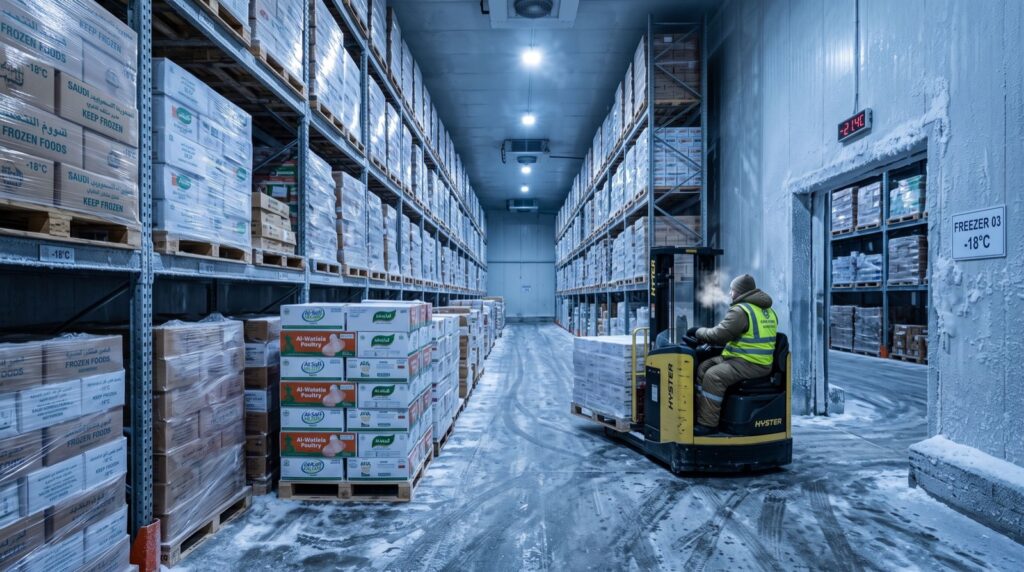
For frozen goods such as meat, seafood, and ice cream that must stay solidly below freezing, a specialized Frozen Storage in Riyadh facility maintains sub-zero stability even during the hottest months. For items that do not need refrigeration but must be shielded from extreme heat and dust, a managed Ambient Storage in Jeddah unit keeps conditions stable and comfortable for electronics, documents, and general household goods.
What is the difference between ambient and frozen storage?
Ambient storage keeps goods at a controlled room temperature, protecting them from heat spikes without cooling below normal levels. Frozen storage, by contrast, holds items at -18°C or lower for long-term preservation of perishables. Your product’s label and shelf-life needs determine which you require.
Comparing Climate-Controlled Options for the Saudi Climate
The table below helps you match your goods to the right environment during a Saudi summer.
| Environment | Temperature Range | Protects Against | Ideal Products |
|---|---|---|---|
| Ambient (Climate-Controlled) | Stable room temperature | Heat spikes, dust, humidity | Electronics, documents, furniture |
| Chilled | 0°C to 8°C | Spoilage, ingredient breakdown | Dairy, cosmetics, some medicine |
| Frozen | -18°C and below | Rapid spoilage, bacteria | Meat, seafood, frozen meals |
| Standard Dry | Ambient, uncooled | Moisture only | Non-sensitive packaged goods |
Choosing a Climate-Controlled Facility You Can Trust
Not every facility that claims “climate control” delivers real protection. In Saudi conditions, the quality of insulation, cooling systems, and monitoring makes all the difference. Use these steps to evaluate providers before you commit.
- Ask about temperature monitoring. Look for 24/7 logging and alerts.
- Check backup power. Cooling must continue during outages.
- Inspect insulation. Well-sealed units hold temperature far better.
- Confirm humidity control. Heat plus moisture is especially damaging.
- Review security. CCTV and access control protect your investment.
- Read the service terms. Clarity on access and pricing prevents surprises.
The right operator acts as a genuine partner in protecting your goods. Working with an experienced local team ensures your storage holds steady even when the mercury outside climbs relentlessly.
Is climate-controlled storage worth the extra cost in Saudi Arabia?
For heat-sensitive goods, absolutely. The modest premium over standard storage is far cheaper than replacing damaged electronics, spoiled inventory, or ruined documents. In a climate as extreme as Saudi Arabia’s, protection is an investment, not an expense.
Best Practices for Storing Goods Through a Saudi Summer
Even in a climate-controlled unit, smart preparation extends your protection. A little effort before storage pays off in preserved value.
The World Health Organization publishes authoritative guidance on cold-chain temperature management for sensitive products such as medicines and vaccines. Reviewing the World Health Organization cold-chain resources helps businesses understand the stakes of consistent temperature control.
- Clean and fully dry items before storing to prevent mold.
- Use sealed, airtight containers for documents and electronics.
- Avoid plastic bags that trap heat and moisture around goods.
- Leave small gaps between items for airflow.
Seasonal Planning for Year-Round Protection
Saudi heat is predictable, which means you can plan for it. Smart businesses and households prepare their storage strategy before summer peaks rather than reacting once damage appears. A proactive approach saves both goods and money.
Before the hottest months arrive, review what you have in storage and move any heat-sensitive items into climate-controlled units. During peak summer, avoid opening units for long periods, since every door opening lets hot air rush in. In cooler months, you gain flexibility to reorganize and audit your stored goods.
- Spring: Audit stock and upgrade sensitive items to climate control.
- Summer: Minimize access times and confirm cooling systems run smoothly.
- Autumn: Reorganize and reassess your storage needs for the year ahead.
- Winter: Take advantage of milder conditions for larger reorganizations.
This rhythm keeps your goods protected through every season. In a country where summer dominates so much of the calendar, treating climate control as a year-round commitment rather than a summer-only fix delivers the best results and the greatest peace of mind for 2026 and beyond.
Frequently Asked Questions
Can climate-controlled storage handle Saudi summer heat?
Yes. Purpose-built facilities use industrial cooling, insulation, and backup power to maintain stable temperatures regardless of outdoor heat, keeping your goods safe through the hottest months.
What items must go in climate-controlled storage?
Electronics, medicines, cosmetics, wooden furniture, documents, artwork, and any perishable food all benefit from temperature control. When in doubt, check the product label for storage instructions.
How is ambient storage different from a normal unit?
Ambient climate-controlled storage actively maintains a stable, comfortable temperature and controls humidity. A normal unit offers no such protection, exposing goods to the full force of the Saudi heat.
Does frozen storage keep working during power cuts?
Reputable frozen facilities include backup generators that keep cooling running during outages, ensuring perishables never rise into the danger zone. Always confirm this before storing frozen goods.
Conclusion: Beat the Heat, Protect Your Goods
Climate-controlled storage is the smartest defense against Saudi Arabia’s punishing summers. By matching each product to the right environment, whether frozen, chilled, or ambient, you preserve value that ordinary storage would silently destroy.
Do not let the 2026 heat wave cost you money. Explore frozen and ambient storage options across the Kingdom, ask the right questions, and request a quote today to keep your goods safe all year.